Your Groceries Cost $1,681 More This Year
Tariffs, diesel, fertilizer shortages — grocery prices are up across the board in 2026. Here's which categories are getting hit hardest, and what to do.
Key Takeaways
• Which grocery categories are rising fastest in 2026.
• How tariffs and global conflict are driving up your food bill.
• Practical ways to shift your spending to softer categories.
Track your grocery spending as you shop
Free to use. Works offline, no account needed.


According to the Yale Budget Lab, current U.S. tariff policy is costing the average American household $1,681 per year in real income. Not in some abstract economic sense — in actual purchasing power, most of it absorbed at the grocery store. And yet most people can't point to where it's going. The receipt looks roughly the same. The cart feels roughly the same. But the total keeps climbing.
The problem isn't one big price spike. It's dozens of small ones, spread across categories you're not watching closely. Here's where the money is actually going in 2026, and what you can do about it.
The Categories Getting Hit Hardest
USDA projections for 2026 food-at-home prices show a wide range of increases depending on what you buy. Some categories are absorbing far more than others.
Sugar and sweets: +6.7% projected. This one flies under the radar because nobody thinks of sugar as a major budget line. But it's in everything — baked goods, cereals, sauces, snacks. A 6.7% increase on a category that touches most of your cart adds up fast.
Non-alcoholic beverages: +5.2% projected. Coffee is the biggest driver here, with prices up roughly 20% year-over-year due to poor harvests in Brazil and Vietnam combined with rising shipping costs. If your household goes through two bags of coffee a month, you're paying an extra $6-8 per month on that single item alone.
Beef and veal: among the fastest risers. Herd sizes have been shrinking since the 2023 drought cycle, and the lag is now showing up at retail. Ground beef prices are notably higher than a year ago, and the trend isn't reversing soon.
Fresh vegetables: only +1.4% projected. This is one of the softer categories in the current environment. Domestic production has held relatively steady, and seasonal availability helps keep prices in check.
Eggs: the only category projected to decline. After the avian flu-driven spike of 2024-2025, flock replenishment is finally catching up with demand. Egg prices remain elevated compared to 2023, but they're heading in the right direction.
The takeaway: not everything is going up at the same rate. The spread between the hardest-hit categories (sugar, beverages, beef) and the softest (fresh vegetables, eggs) is significant — and exploitable, if you know where to look.
Why Everything Costs More: The Supply Chain
Grocery inflation in 2026 isn't just about food. It's about everything that touches food before it reaches your cart.
Tariffs on Materials
Steel and aluminum tariffs raise the cost of cans, packaging, and food processing equipment. Those costs get passed directly to manufacturers, who pass them to retailers, who pass them to you. You don't see a line item for "tariff surcharge" — it just shows up as a higher sticker price on canned tomatoes and aluminum-wrapped products.
The Strait of Hormuz and Fertilizer
The ongoing conflict involving Iran has disrupted shipping through the Strait of Hormuz, a chokepoint for roughly one-third of the world's seaborne fertilizer trade. When fertilizer prices rise, farming costs rise. When farming costs rise, wholesale food prices rise. This is a slow-moving wave that takes 6-12 months to fully reach retail, and we're in the middle of it now.
Diesel Above $5 Per Gallon
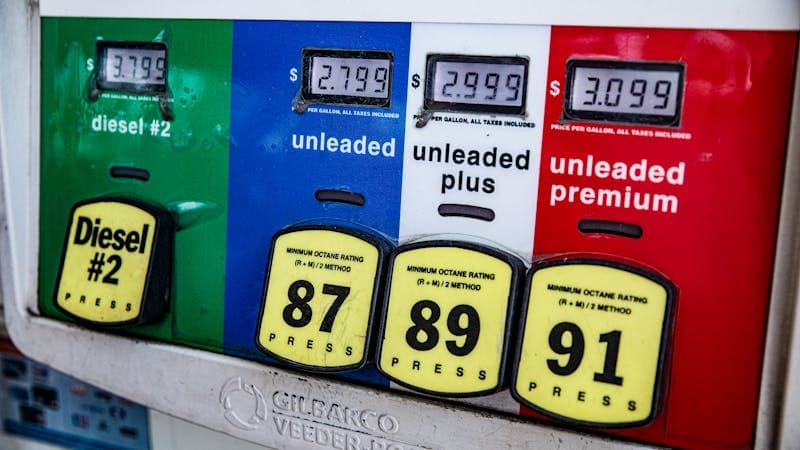
Nearly everything in a grocery store arrived by truck. National average diesel prices have pushed above $5 per gallon in 2026, and that cost is embedded in every product that gets delivered — which is all of them. Fresh produce, dairy, frozen goods, and beverages are especially sensitive because they require refrigerated transport, which burns more fuel.
These three forces — tariffs, fertilizer disruption, and fuel costs — compound on top of each other. A can of beans is more expensive to grow (fertilizer), more expensive to package (steel tariffs), and more expensive to ship (diesel). No single factor explains the full increase. All three together do.
Stop guessing what your groceries cost
Free to use. Works offline, no account needed.
What the Numbers Look Like at the Household Level
The average American now spends approximately $1,546 per month on food, according to Bureau of Labor Statistics data. That includes both groceries and dining out, but the grocery portion has been growing as a share of total food spending — people are eating out less as a response to higher restaurant prices, which just shifts the cost pressure onto the grocery budget.
A CFR poll found that 73% of Americans are worried about affording groceries. That's not a fringe concern. When nearly three-quarters of the population is feeling price pressure at the grocery store, the problem is structural, not behavioral. You're not overspending because you lack willpower. You're spending more because the inputs cost more.
What You Can Actually Do About It
You can't negotiate with global fertilizer markets or lower diesel prices by sheer force of will. But you can make your grocery spending more intentional once you see where the pressure is concentrated.
Shift Toward Softer Categories
If beef is up 5-7% and fresh vegetables are up 1.4%, leaning harder into plant-heavy meals isn't just a health choice — it's a financial one. The same logic applies to swapping coffee for tea (or at least being strategic about when you buy coffee and in what quantities) and reducing reliance on heavily packaged, sugar-heavy convenience foods.
Watch Your Category Mix Over Time
This is where most people lose the thread. They know their total grocery bill is higher, but they don't know which categories are driving the increase. Is it protein? Beverages? Snacks? Without category-level data, you're just guessing.
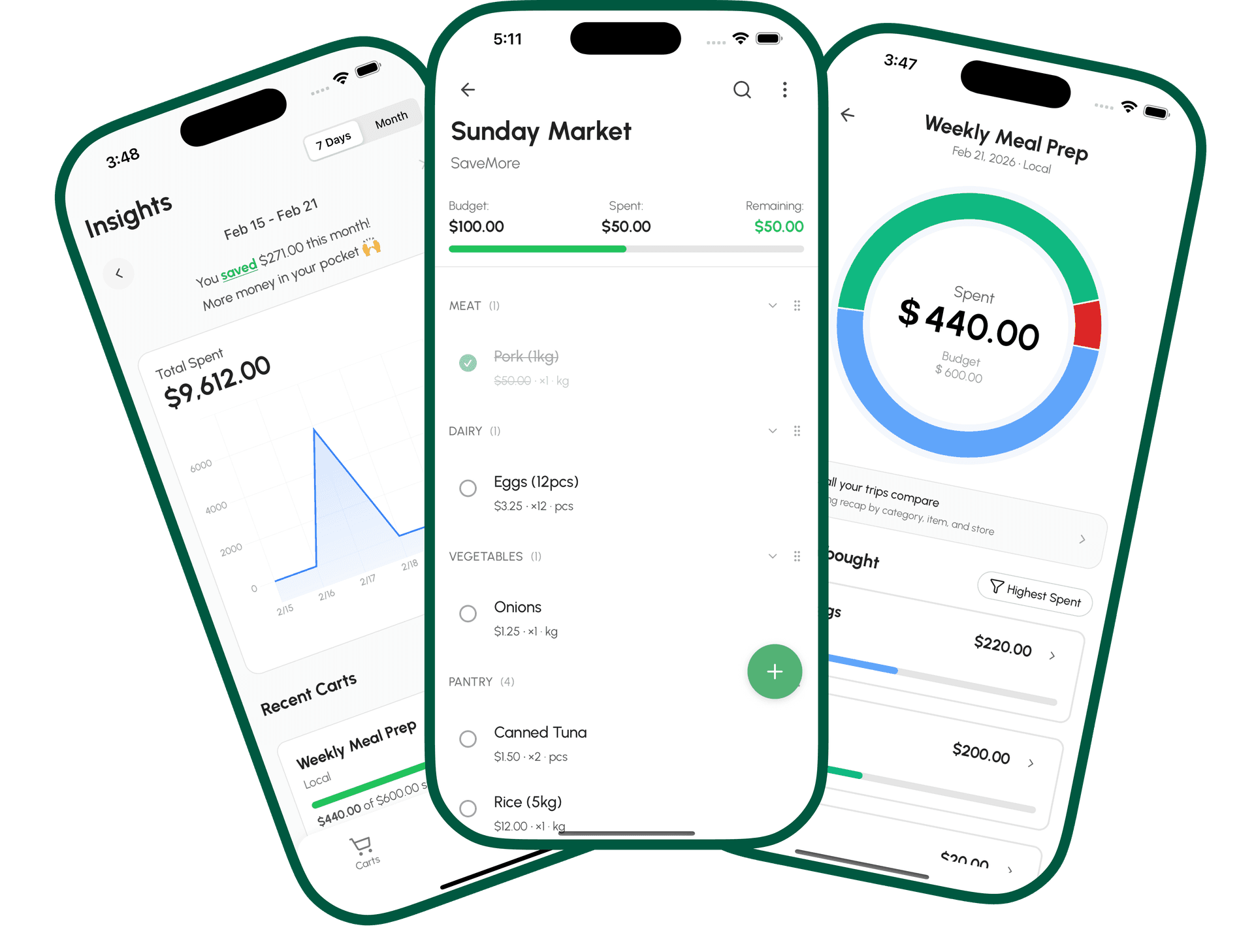
GroceryBudget's category breakdowns show you exactly which parts of your grocery spending are growing and which are stable. When you can see that your beverage spending jumped 18% this quarter while produce held flat, you have something actionable — not just a vague sense that things cost more.
Use Price Memory to Spot Creeping Increases
One of the most effective inflation defenses is simply knowing what things used to cost. GroceryBudget's price memory tracks what you've paid for items over time, so you can spot when a product has quietly jumped $0.50 or $1.00. Those small increases are easy to miss in the moment but add up to hundreds of dollars over a year.
Set a Budget and Measure Against It
The USDA Moderate-Cost food plan for a family of four runs roughly $1,350-1,490 per month. If you're above that range and don't know why, you're absorbing price increases without any feedback loop. Setting a monthly grocery budget in GroceryBudget and tracking against it gives you that feedback — not to make you feel bad, but to make the invisible visible.
The Bottom Line
The $1,681 per year in lost purchasing power isn't one dramatic event. It's a slow accumulation of 3% here, 6% there, across dozens of products over dozens of trips. The forces driving it — tariffs, conflict-driven supply disruption, fuel costs — aren't going away soon.
What you can control is awareness. Know which categories are rising fastest. Track your own spending at the category level. Notice when prices creep up on items you buy regularly. And shift your purchasing toward the categories where prices are softer.
The money is hiding in plain sight. You just need the data to see it.