How the Iran Conflict Hits Your Grocery Bill
The war in Iran feels distant from your grocery store. It isn't. Here's the supply chain connecting the Strait of Hormuz to your checkout total.
Key Takeaways
• How the Iran conflict directly affects US grocery prices.
• The fertilizer-to-food pipeline and why it matters now.
• What categories will be hit first and hardest.
Track your grocery spending as you shop
Free to use. Works offline, no account needed.


The war in Iran feels like a foreign policy story. Something for the cable news ticker, not your shopping list. But there are two supply chains running from the Strait of Hormuz directly to your grocery checkout — and both of them are under pressure right now.
This isn't speculation. The mechanisms are well-documented and already in motion. Here's how it works.
Chain 1: Fertilizer
About one-third of the world's fertilizer trade moves through or near the Strait of Hormuz. Iran, Saudi Arabia, Qatar, and other Gulf states are major exporters of the nitrogen- and phosphate-based fertilizers that commercial farms depend on.
When the Strait is contested — through military activity, shipping insurance costs spiking, or vessels rerouting around the Cape of Good Hope — fertilizer supply tightens globally. Prices go up. This isn't a hypothetical. It happened in 2022 after Russia's invasion of Ukraine disrupted Black Sea fertilizer exports, and the pattern is repeating now through a different chokepoint.
The timing makes it worse. The Northern Hemisphere spring planting season is underway. Farmers are buying fertilizer right now. They don't have the option to wait six months for prices to normalize. Whatever they pay this spring gets baked into the cost of crops harvested this fall — and into the grocery prices you see through the end of the year and into 2027.
This is the slow-moving chain. You won't see it at the register next week. You'll see it in August, September, October, as the cost of producing food works its way through processing, packaging, and distribution.
Chain 2: Diesel
This one moves faster.
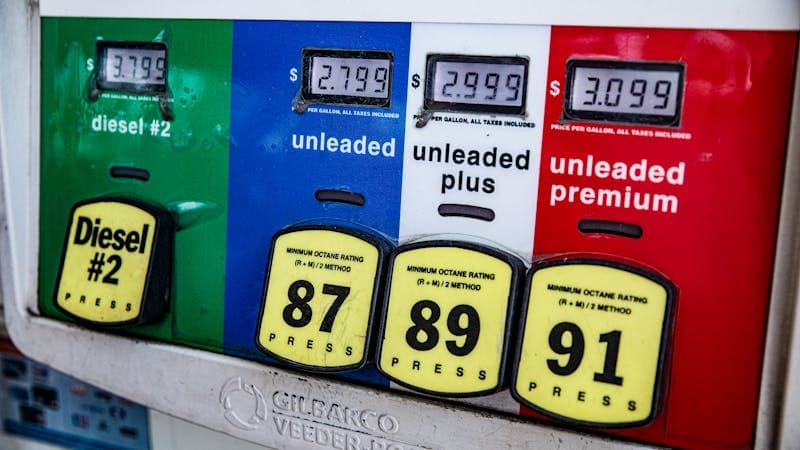
Oil prices have risen sharply since the conflict escalated. Diesel — the fuel that powers nearly every truck, train, and ship involved in food distribution — has climbed above $5 per gallon for the first time since December 2022. Gasoline is up 7.5%, averaging $3.20 per gallon nationally.
As B. Riley Wealth Management's Paul Dietrich told Wedbush Securities clients, elevated diesel is a "direct hit on consumer prices." He's right, and grocery prices are especially exposed. Almost everything in a grocery store arrived by truck. Many items were refrigerated the entire way. Fuel is not a small line item in food logistics — it's one of the largest.
Unlike fertilizer, diesel price increases translate to shelf prices within weeks, not months. Distributors adjust fuel surcharges. Retailers absorb what they can, then pass along what they can't.
Why Grocery Stores Feel It First
You might wonder why groceries get hit before, say, electronics or clothing. The answer is supply chain flexibility.
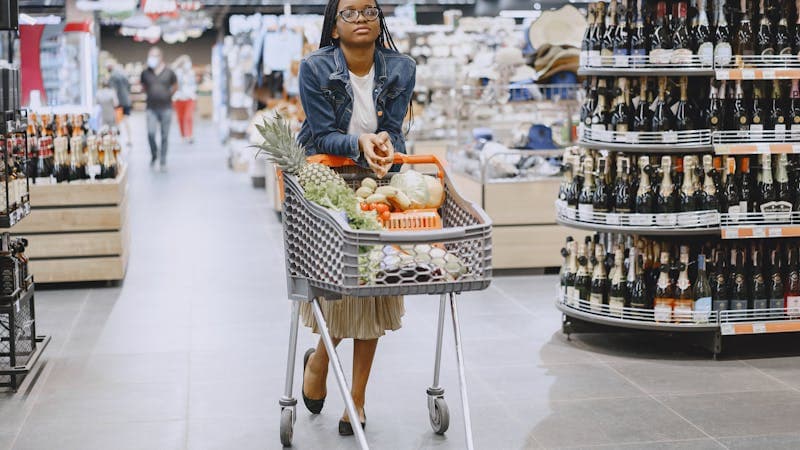
A clothing retailer can delay a shipment, sit on inventory, or substitute suppliers across continents. Grocery supply chains don't have that luxury. Produce is perishable. Dairy has a shelf life measured in days. Meat moves on fixed schedules. There's no warehouse where you park fresh strawberries for three months while you wait for shipping costs to come down.
This inflexibility means grocery retailers are price-takers on transportation costs in a way that other retailers are not. When diesel goes up, grocery prices follow — faster and with fewer buffers.
Stop guessing what your groceries cost
Free to use. Works offline, no account needed.
The Tariff Layer
This would be challenging enough on its own. But it's landing on top of existing tariff pressures that were already pushing packaging and imported food costs higher.
Steel tariffs increase the cost of cans — every canned good on the shelf. Anti-dumping duties on certain imported foods raise costs on items that don't have sufficient domestic production to fill the gap. These aren't new pressures, but they mean grocery prices were already trending up before the Iran conflict added fuel and fertilizer costs to the pile.
The UN World Food Programme has warned that the current trajectory resembles the early stages of the 2022 global food crisis, when supply disruptions from the Ukraine war sent food prices to record highs worldwide. The agency is watching the same indicators: fertilizer availability, energy costs, and shipping route disruptions. All three are flashing the same signals now.
What This Means for Your Cart
Prices won't jump 20% overnight. That's not how grocery inflation works. Instead, you'll see a slow creep — a few cents here, a package size reduction there, a store brand replacing a name brand on the shelf.
The items hit hardest will be the ones that travel the furthest and use the most packaging. Canned goods (steel costs plus diesel). Imported produce and out-of-season fruit (long supply chains). Dairy and meat (refrigerated transport, feed costs tied to fertilizer). Processed and packaged foods (multiple layers of transportation and materials).
Local and seasonal produce will be the most insulated, though not immune — farms still buy fertilizer and fuel.
What You Can Actually Do About It
You can't control diesel prices or geopolitics. But you can do something most people don't: know your own numbers.
The reason grocery inflation catches people off guard isn't that prices move fast. It's that they move slowly enough to be invisible week-to-week. You don't notice when eggs go from $4.20 to $4.50 over six weeks. You notice when you look at your monthly total and it's $80 higher than it was last quarter — and by then you've already spent it.
Tracking your grocery spending now creates a baseline. When prices do creep up over the coming months, you'll see it in your data rather than feeling a vague sense that things cost more.
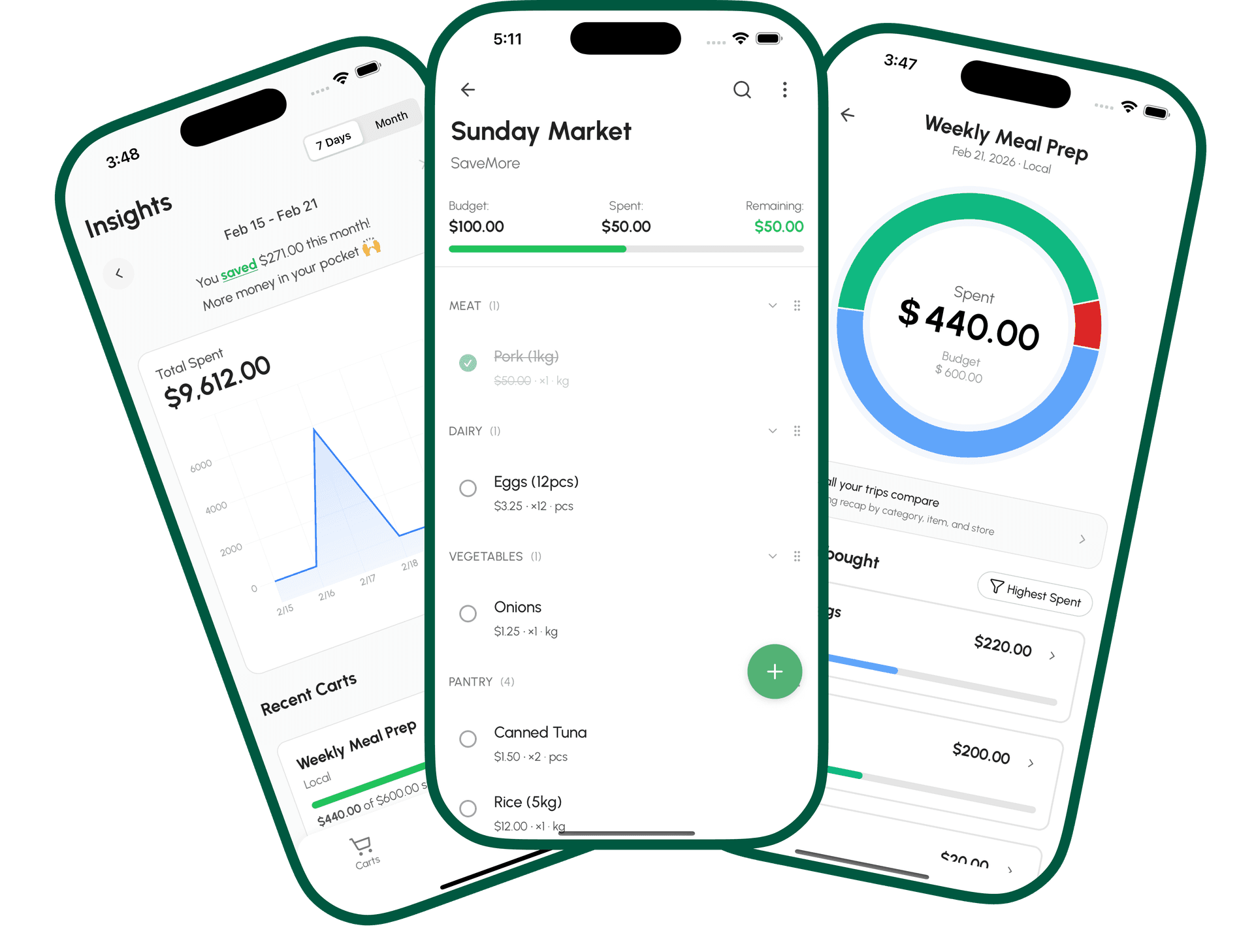
GroceryBudget's price memory records what you pay for items over time, so you can see exactly which products are moving and by how much. The spending trends view shows your monthly totals in context — not just this month versus last month, but this month versus six months ago, before the current disruptions started.
That won't make groceries cheaper. But it turns a slow, invisible squeeze into something you can see, measure, and respond to — whether that means shifting to store brands in certain categories, adjusting which stores you shop at, or simply updating your household budget before the gap between your plan and your actual spending gets too wide.
The dots between the Strait of Hormuz and your checkout total are real. The best thing you can do is watch your own numbers closely enough to see them.