Monthly Grocery Budget for Two in the Philippines
How much should a couple spend on groceries in the Philippines? Realistic 2026 budgets at three levels, with a sample week of meals and where the money goes.
Key Takeaways
• A two-person household spends roughly ₱4,000–₱6,000/month on a tight budget, ₱8,000–₱12,000 comfortably.
• Two people don't cost double one — shared cooking and bulk buying cut the per-person cost.
• Splitting staples (Puregold) from fresh goods (palengke) is the single biggest lever for couples.
Put this advice to work on your next grocery trip
Plan your list, set a budget, and track the total while you shop.
Explore GroceryBudget features →

If you've just moved in together, or you're budgeting for a two-person household for the first time, the question is simple: how much should groceries actually cost for two? Here are realistic 2026 figures, plus where the pesos go.
The short version: a couple in the Philippines typically spends ₱4,000–₱6,000/month on a tight budget, ₱8,000–₱12,000 comfortably, and ₱15,000+ for premium and imported goods. That's the same minimum range as a single person's comfortable budget — because two people sharing a kitchen don't cost twice as much as one.
Why Two People Don't Cost Double
A solo Filipino household runs roughly ₱1,500–₱4,000/month depending on how they eat. You might expect two people to land at ₱3,000–₱8,000 — double. In practice it's less, for three reasons:
- Shared cooking. One pot of adobo feeds two as easily as one, with little extra rice, oil, or seasoning. Cooking for two is barely more work or cost than cooking for one — and far cheaper per head than two people each buying convenience meals.
- Bulk buying becomes worth it. A 5kg rice bag, a tray of eggs, a 1L oil bottle — quantities that go to waste for one person get used up by two before they spoil. You unlock the cheaper unit prices.
- Less waste. Leftovers that a single person can't finish get eaten. Vegetables bought for one often rot half-used; for two they're gone.
Three Budget Levels for a Couple
Tight Budget: ₱4,000–₱6,000/month
Weekly spend: ₱1,000–₱1,500
This is achievable without cutting nutrition, but it takes planning and palengke discipline. A typical week:
- Rice (8–10kg) → ₱400–₱520
- Eggs (1–2 flats) → ₱225–₱500
- Fresh fish and chicken from the palengke → ₱500–₱700
- Vegetables (kangkong, sayote, cabbage, tomatoes) → ₱200–₱350
- Canned goods, noodles, coffee, sugar → ₱300–₱450
- Cooking oil, condiments (restocked as needed) → ₱150–₱250
Meals lean on rice plus one viand, eggs and canned fish for breakfast, and vegetable-forward dishes (monggo, pinakbet, ginisang gulay) to keep protein costs down.
Comfortable Budget: ₱8,000–₱12,000/month
Weekly spend: ₱2,000–₱3,000
Room for better protein (more pork and beef, occasional bangus or galunggong), fresh fruit, dairy, and a few convenience items. You can shop mostly at the supermarket without watching every peso, and still come in on budget. This is where most working couples in Metro Manila land.
Premium Budget: ₱15,000+/month
Weekly spend: ₱3,750+
Imported brands, specialty ingredients, more beef and seafood, snacks, and a relaxed approach to brand choice. Convenience is the priority over squeezing the lowest price.
Put this advice to work on your next grocery trip
Plan your list, set a budget, and track the total while you shop.
Explore GroceryBudget features →The Biggest Lever for Couples: Split the Shop
The single change that moves a couple from the comfortable range toward the tight range without feeling deprived is splitting where you buy:
- Monthly bulk run at Puregold for staples — rice, oil, eggs, canned goods, condiments. See Puregold vs Robinsons for why the warehouse format wins on bulk.
- Weekly palengke trip for fresh fish, meat, and vegetables, which run ₱30–₱80/kg cheaper than the supermarket on fresh categories.
- Supermarket top-ups only for what the other two trips miss.
A couple running this split typically saves ₱1,000–₱2,000/month versus doing everything at one supermarket.
Track It So It Holds
Setting a ₱6,000 budget is easy. Knowing on the 20th of the month whether you're on track is the hard part — and it's where most couples drift, especially when two people both make grocery runs.
GroceryBudget is built for exactly this. Set your monthly budget, add items as you shop, and the running total updates live so you see where you stand before checkout. Share a cart as a link (free) and your partner gets the same list in their own app, ready for their trip. Price memory learns your usual items so you'll spot when rice or onions jump.
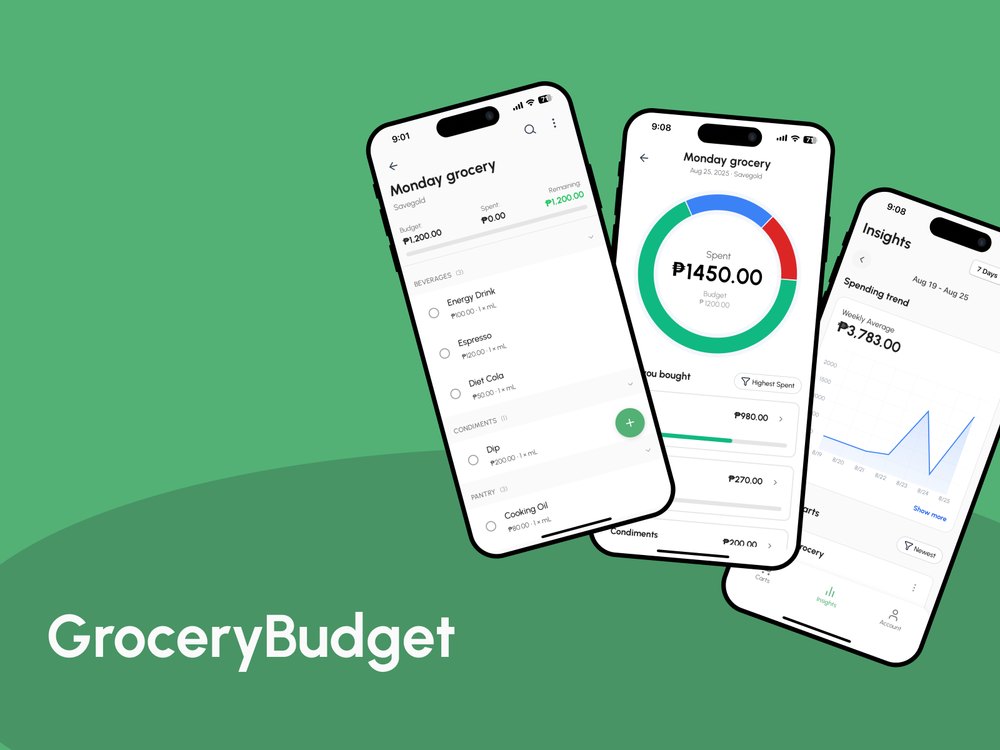
The app supports ₱, works offline, and is free to start with no account required.
Download GroceryBudget — free, offline, works with ₱.
Also available on Android: Google Play.
---
Also useful: Grocery Budget for One Person in the Philippines for the solo benchmark, Filipino Family Grocery Budget Guide 2026 for larger households, and Filipino Meal Planning on a Budget for stretching the food budget further.
Frequently Asked Questions
How much should a couple spend on groceries per month in the Philippines?+
About ₱4,000–₱6,000 per month on a tight budget, ₱8,000–₱12,000 comfortably, and ₱15,000+ for premium and imported goods.
Do two people cost double one person for groceries?+
No. Shared cooking, bulk buying, and less waste mean a couple spends well under double a solo budget.
How can a couple lower their grocery bill in the Philippines?+
Split the shop — a monthly Puregold bulk run for staples plus a weekly palengke trip for fresh goods — which typically saves ₱1,000–₱2,000 per month over shopping at one supermarket.